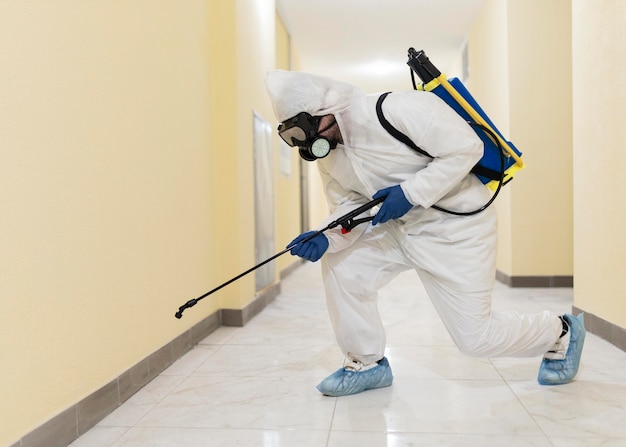
Uncovering the Certified Mold Remediation Process
Mold remediation is a critical process that ensures the safety and health of living and working environments. By effectively addressing mold infestations, certified mold remediation professionals prevent health issues and structural damage caused by mold growth. Whether it's a residential property or a commercial building, understanding the certified mold remediation process is essential for anyone dealing with mold problems.
Understanding Mold Remediation
What is Mold Remediation?
Mold remediation involves identifying, cleaning, and eliminating mold from indoor environments. It is more than just mold removal; it includes the thorough cleaning and disinfection of affected areas to prevent mold from returning. The process also encompasses repairing any water damage that contributed to mold growth.
Why Certification Matters
Certified mold remediation professionals possess the skills and knowledge necessary to tackle mold infestations effectively. Certification ensures that these experts are trained in the latest techniques and adhere to industry standards. Hiring certified professionals guarantees that the remediation process is both safe and efficient. Read more about this topic.
The Mold Remediation Process
Inspection and Assessment
The first step in the mold remediation process is a thorough inspection and assessment of the affected area. Professionals use specialized equipment to detect mold presence and identify the extent of the infestation. This step is crucial for developing an effective remediation plan.
Containment
Once the mold is identified, the next step is containment to prevent mold spores from spreading to unaffected areas. This involves sealing off the contaminated area using physical barriers and negative air pressure. Learn more in this detailed guide.
Filtration
Air filtration is used to capture mold spores from the air. High-efficiency particulate air (HEPA) filters are typically employed during this stage to ensure that mold spores do not escape into the environment.
Removal of Mold and Mold-Infested Materials
The next phase involves the removal of mold and any materials that have been infested by mold. This can include drywall, insulation, and carpeting. Special care is taken to ensure that mold is completely eradicated from these materials.
- Use of specialized cleaning agents
- Disposal of contaminated materials according to safety guidelines
- Replacement of removed materials with new ones
Cleaning and Disinfecting
After removing mold-infested materials, the area is thoroughly cleaned and disinfected. This step involves using antifungal and antimicrobial treatments to eliminate any remaining mold spores. Explore further insights here.
Restoration
The final step in the mold remediation process is restoration. This involves repairing or replacing any structures that were damaged during the remediation process. Restoration aims to return the property to its pre-mold condition, ensuring a safe and healthy environment for occupants.
Preventive Measures
Preventing future mold growth is a crucial part of the mold remediation process. Certified professionals offer valuable advice on maintaining a mold-free environment, which includes:
- Regular inspections and maintenance of HVAC systems
- Prompt repair of water leaks and damage
- Maintaining optimal indoor humidity levels
- Improving ventilation in areas prone to moisture
By implementing these preventive measures, property owners can significantly reduce the risk of mold reappearing in their homes or businesses. Find additional information here.